 2
2
 0
0
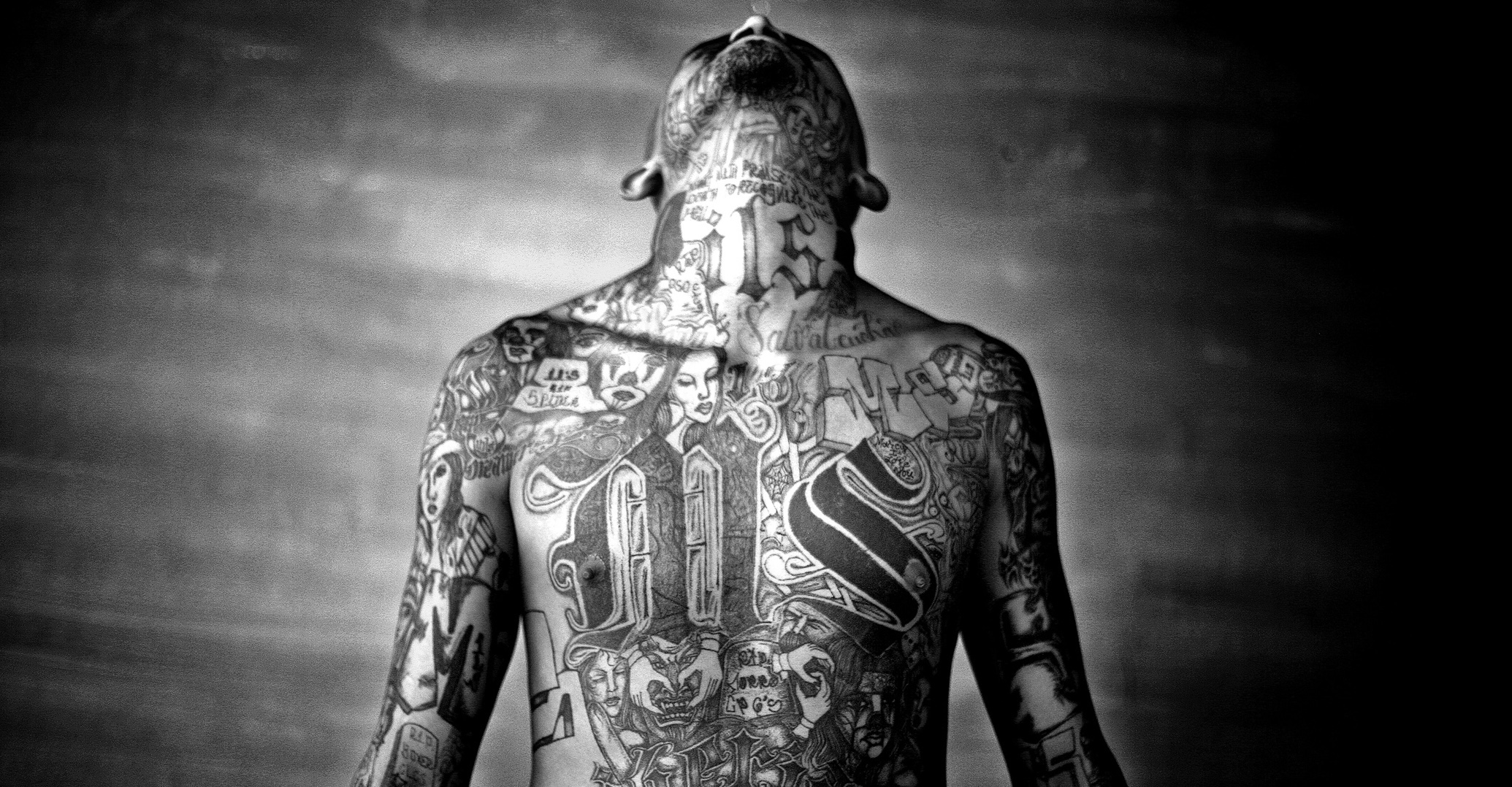
The Mara Salvatrucha (MS13) is one of the world’s largest and arguably most violent street gangs. After relatively humble beginnings in Los Angeles in the 1980s, it has spread to more than a half-dozen countries and become a central focus of law enforcement in two hemispheres. In spite of these efforts, the MS13 remains a persistent threat and shows signs of expanding its criminal portfolio.
The MS13 is a largely urban phenomenon that has cells operating in two continents.
The MS13 has between 50,000 and 70,000 members who are concentrated in mostly urban areas in Central America or locations outside the region where there is a large Central American diaspora.
In Honduras and Guatemala, the gang is still largely urban.
In El Salvador, however, the gang has steadily spread into more rural areas.
Expansion beyond urban areas has also happened in places in the United States, most notably in Long Island and North Carolina, and increasingly California.
The gang has appeared as well in Europe, specifically in urban areas of Spain and Italy. The size of the gang in these settings varies greatly and fluctuates, mostly in accordance with law enforcement efforts and migration patterns unrelated to the gang.
The MS13 is a social organization first, and a criminal organization second. The MS13 is a complex phenomenon. The gang is not about generating revenue as much as it is about creating a collective identity that is constructed and reinforced by shared, often criminal experiences, especially acts of violence and expressions of social control. The MS13 draws on a mythic notion of community, a team concept, and an ideology based on its bloody fight with its chief rival, the Barrio 18 (18th Street) gang, to sustain a huge, loosely organized social and criminal organization.
The MS13 is a diffuse organization of sub-parts, with no single leader or leadership structure that directs the entire gang.
The MS13 has two poles of power: in Los Angeles, where it was founded, and in El Salvador, its spiritual birthplace where many of its historic leaders reside. But the gang has no single leader or leadership council. Instead, it is a federation with layers of leaders who interact, obey and react to each other at different moments depending on circumstances. In general terms, most decisions are made by the individual cell, or what is known as the “clica,” the Spanish term for clique. The highest-ranking members in some geographic areas make up a leadership council, but not all areas have a leadership council. In Los Angeles, the MS13 is subservient to the prison gang known as the Mexican Mafia. In El Salvador, the gang is also run from prison by its own leadership council. Along the East Coast of the United States, the gang has no council, although it is takes much of its directives from Salvadoran-based gang leaders. Because these leaders are mostly in jail, it is exceedingly difficult for them to impose total control over the rank-and-file.
The MS13 has guidelines more than rules, which are subject to varying interpretations. The diffuse nature of the organization has widespread implications for how it operates. The gang has guidelines more than rules. These guidelines are subject to haphazard interpretations and application. In other words, this internal justice is not necessarily a strict system and often depends more on who the leader is and who is being judged, rather the actual transgression or the circumstances surrounding it. This inconsistent application of the rules leads to constant internal and external conflicts and is the cause of widespread violence wherever the gang operates.
MS13 violence is brutal and purposeful. Violence is at the heart of the MS13 and is what has made it a target of law enforcement in the United States, Central America and beyond. It is central to the MS13’s ethos, its modus operandi, and its evaluation and discipline of its own members. Violence also builds cohesion and comradery within the gang’s cliques. This use of violence has enhanced the MS13’s brand name, allowing it to expand in size and geographic reach, but it has undermined its ability to enter more sophisticated, money-making criminal economies. Potential partners see the gang as an unreliable, highly visible target, and the gang’s violent spasms only reinforce this notion.
The MS13’s diffuse nature makes it hard for it to control its own expressions of violence. The MS13’s diffuse nature has made it difficult to curtail its violence. The gang itself has attempted to implement rules to control the use of force. Most murders must be sanctioned from the highest levels, but as one of our case studies illustrates, this is often a perfunctory task, reflecting what seems to be a disregard for human life. In addition, the very system that is designed to control the violence often leads to more violence, since failure to carry out a sanctioned hit becomes cause for internal disciplinary action.
The MS13 is a hand-to-mouth criminal organization that depends on control of territory to secure revenue. The gang’s lack of a centralized leadership has kept it relatively impoverished. While it has established revenue streams, the MS13 has a hand-to-mouth criminal portfolio. Extortion is the single most important revenue stream for the gang in Central America, although a significant and rising portion of the MS13’s criminal portfolio comes from local drug peddling, especially in US cities such as Los Angeles. The gang is also involved in prostitution, human smuggling, car theft and resale and other criminal activities, but the gang’s revenue nearly always depends on its ability to control territory.
The MS13 is a transnational gang, not a transnational criminal organization (TCO). While the gang has a presence in two continents and at least a half-dozen nations, the gang is a small, part-time role player in international criminal schemes. In cases of international drug trafficking, for instance, the MS13 is dependent on other criminal actors such as the Mexican Mafia. The gang plays a similar, part-time role in other international criminal activities such human smuggling as well. Its diffuse organizational structure and public displays of violence are two of the main reasons why the gang has not succeeded in transforming itself into a TCO. And while some criminal activity most notably the MS13’s involvement in petty drug dealing on a local level – is driving the gang’s maturation process and leading it to new opportunities, this is a slow process that is causing significant conflict within the gang.
El Salvador’s MS13 leaders are trying to assert more control over the US East Coast. Some MS13 leaders, especially those operating from jails in El Salvador, are trying to create more top-down control, and expand its social and political influence. In El Salvador, the gang has negotiated delivering votes to some of the country’s most powerful politicians. They have also instituted more formal and complex command structures inside and outside of jail, and they have emissaries in places as far away as Boston who are trying to corral the rudimentary and undisciplined gang cliques operating along the US East Coast.
The MS13 is taking advantage of traditional migration patterns, not sending members to set up new cells. The MS13’s efforts in El Salvador have alarmed law enforcement officials who say the gang’s high-ranking leaders are also moving their rank-and-file around the region, including to the United States. But while the gang is repopulating cells and establishing new ones, the MS13 appears to be taking advantage of circumstances, rather than actively creating those circumstances. MS13 members migrate for the same reasons that other migrants do, and they go to the same places. They also face many of the same risks such as indigence, isolation, victimization, detention and deportation.
*************************************************
MS13 в обох Америках: Як найвідоміша у світі банда не піддається логіці та чинить опір знищенню
The Mara Salvatrucha (MS13) – це одна з найбільших і, можливо, найжорстокіших вуличних банд у світі. Після відносно скромного початку в Лос-Анджелесі у 1980-х роках, вона поширилася на більш ніж півдюжини країн і стала центральним об’єктом уваги правоохоронних органів в обох півкулях. Незважаючи на ці зусилля, MS13 залишається постійною загрозою і демонструє ознаки розширення свого злочинного портфоліо.
MS13 – це переважно міське явище, яке має осередки на двох континентах.
MS13 налічує від 50 до 70 тис. членів, які зосереджені переважно в міських районах Центральної Америки або за межами регіону, де існує велика центральноамериканська діаспора.
У Гондурасі та Гватемалі банда все ще залишається переважно міською.
У Сальвадорі, однак, банда неухильно поширює свою діяльність на сільські райони.
Експансія за межі міських районів також відбулася в деяких регіонах США, особливо в Лонг-Айленді та Північній Кароліні, а також все частіше в Каліфорнії.
Банда з’явилася і в Європі, зокрема в міських районах Іспанії та Італії. Чисельність угруповання в цих регіонах дуже різниться і коливається, в основному відповідно до зусиль правоохоронних органів і міграційних процесів, не пов’язаних з угрупованням.
MS13 – це в першу чергу громадська організація, а в другу – злочинна організація.
MS13 – це складне явище. Банда не стільки для отримання прибутку, скільки для створення колективної ідентичності, яка конструюється і зміцнюється спільним, часто кримінальним досвідом, особливо актами насильства і проявами соціального контролю. MS13 спирається на міфічне поняття спільноти, концепцію команди та ідеологію, засновану на кривавій боротьбі зі своїм головним суперником, бандою the Barrio 18 (18th Street), щоб підтримувати величезну, слабко організовану соціальну та кримінальну організацію.
MS13 – це дифузна організація, що складається з підгруп, без єдиного лідера або керівної структури, яка керує всією бандою.
MS13 має два полюси влади: в Лос-Анджелесі, де вона була заснована, і в Сальвадорі, її духовній батьківщині, де проживають багато її історичних лідерів.
Проте банда не має єдиного лідера чи керівної ради. Натомість, це – свого роду федерація з декількома рівнями лідерів, які взаємодіють, підкоряються і реагують один на одного в різні моменти, залежно від обставин. Загалом, більшість рішень приймається окремим осередком, або так званою «clica» – іспанським терміном». Найвищі за рангом члени в деяких географічних регіонах складають керівну раду, але не в усіх регіонах є керівна рада. У Лос-Анджелесі MS13 підпорядковується в’язничній банді, відомій як the Mexican Mafia. В Сальвадорі бандою також керує з в’язниці власна керівна рада. На східному узбережжі Сполучених Штатів банда не має ради, хоча вона отримує багато вказівок від сальвадорських лідерів банд. Оскільки ці лідери здебільшого перебувають у в’язниці, їм надзвичайно важко встановити тотальний контроль над рядовими членами.
MS13 має більше керівних принципів, ніж правил, які можна по-різному інтерпретувати. Дифузний характер організації має широкі наслідки для того, як вона діє. Банда має більше настанов, ніж правил. Ці вказівки підлягають довільному тлумаченню та застосуванню.
Іншими словами, це внутрішнє правосуддя не обов’язково є суворою системою і часто залежить більше від того, хто є лідером і кого судять, ніж від фактичного проступку або обставин, що його супроводжують. Таке непослідовне застосування правил призводить до постійних внутрішніх і зовнішніх конфліктів і є причиною поширеного насильства скрізь, де діє банда.
Насильство MS13 є жорстоким і цілеспрямованим. Насильство лежить в основі діяльності MS13, і саме воно зробило її мішенню для правоохоронних органів у Сполучених Штатах, Центральній Америці та за її межами. Насильство є центральним елементом етосу MS13, її способу дій, а також оцінки та дисциплінування власних членів. Насильство також зміцнює згуртованість і товариськість всередині бандитських угруповань. Таке використання насильства підвищило популярність бренду MS13, дозволивши їй розширити свою чисельність і географію діяльності, але підірвало її здатність входити в більш складну кримінальну економіку, яка приносить великі гроші. Потенційні партнери розглядають банду як ненадійну, дуже помітну мішень, а спалахи насильства лише посилюють це уявлення.
Дифузний характер MS13 ускладнює контроль над власними проявами насильства. Банда сама намагається впровадити правила контролю над застосуванням сили. Більшість вбивств мають бути санкціоновані на найвищому рівні, але це часто є поверхневим завданням, що відображає, як видається, зневагу до людського життя. Крім того, сама система, покликана контролювати насильство, часто призводить до ще більшого насильства, оскільки невиконання санкціонованого удару стає причиною для внутрішніх дисциплінарних стягнень.
MS13 – це злочинна організація, що працює за принципом «з рук в руки», яка залежить від контролю над територією для отримання прибутку. Відсутність централізованого керівництва утримує банду у відносно бідному стані. Незважаючи на те, що угруповання має налагоджені потоки доходів, MS13 має портфель кримінальних злочинів, що здійснюються «з рук в руки». Вимагання є найважливішим джерелом доходу для банди в Центральній Америці, хоча значну і зростаючу частину злочинного портфоліо MS13 складає місцева торгівля наркотиками, особливо в таких містах США, як Лос-Анджелес. Банда також займається проституцією, контрабандою людей, викраденням і перепродажем автомобілів та іншою злочинною діяльністю, але доходи банди майже завжди залежать від її здатності контролювати територію.
MS13 – це транснаціональна банда, а не транснаціональна злочинна організація (ТСО). Хоча банда присутня на двох континентах і в щонайменше півдюжині країн, вона є невеликим, другорядним гравцем у міжнародних злочинних схемах.
Наприклад, у випадках міжнародної торгівлі наркотиками, MS13 залежить від інших злочинних суб’єктів, таких як the Mexican Mafia. Банда відіграє подібну роль в інших видах міжнародної злочинної діяльності, таких як контрабанда людей, але за сумісництвом. Її розмита організаційна структура і публічні прояви насильства є двома основними причинами того, що банді не вдалося трансформуватися у ТЗО. І хоча певна злочинна діяльність, зокрема, участь MS13 у дрібній торгівлі наркотиками на місцевому рівні, стимулює процес дорослішання банди і відкриває перед нею нові можливості, це повільний процес, який спричиняє значні конфлікти всередині угруповання.
Лідери сальвадорської організації MS13 намагаються встановити більший контроль над східним узбережжям США. Деякі лідери MS13, особливо ті, що діють з в’язниць в Сальвадорі, намагаються встановити більш жорсткий контроль зверху донизу і розширити свій соціальний і політичний вплив. В Сальвадорі банда домовилася про надання голосів деяким з найвпливовіших політиків країни. Вони також створили більш формальні та складні командні структури у в’язницях і поза ними, і мають емісарів навіть у Бостоні, які намагаються загнати в кут примітивні та недисципліновані бандитські угруповання, що діють уздовж східного узбережжя США.
MS13 використовує традиційні схеми міграції, не відправляючи своїх членів для створення нових осередків. Діяльність MS13 в Сальвадорі занепокоїла правоохоронців, які стверджують, що високопоставлені лідери банди також переміщують своїх рядових членів по всьому регіону, в тому числі до Сполучених Штатів. Але в той час, як банда поповнює свої осередки і створює нові, MS13, схоже, користується обставинами, а не активно створює їх. Члени MS13мігрують з тих самих причин, що й інші мігранти, і їдуть у ті самі місця. Вони також стикаються з багатьма з тих самих ризиків, таких як бідність, ізоляція, віктимізація, затримання та депортація.