The Bloods are a primarily African American street gang which was founded in Los Angeles, California. The gang is widely known for its rivalry with the Crips.
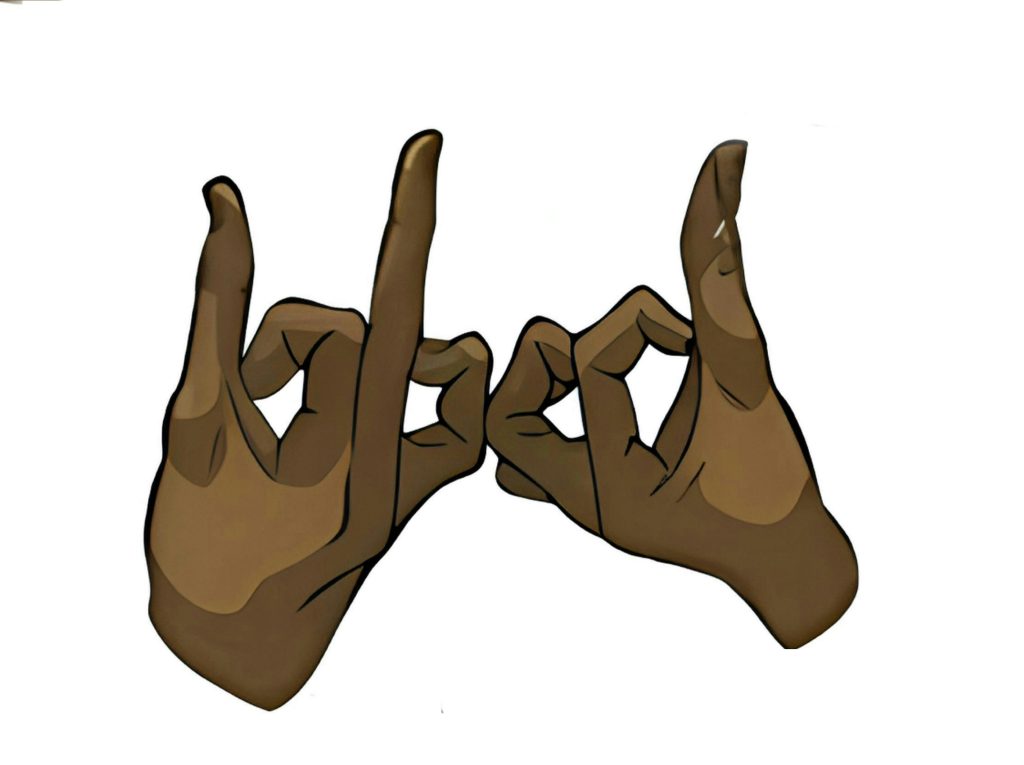
It is identified by the red colour worn by its members and by gang symbols, including distinctive hand signs.
The Bloods comprise various subgroups known as “sets“, among which significant differences exist, such as colours, clothing, operations, and political ideas that may be in open conflict with each other. Since the gang’s creation, it has branched throughout the United States.
History
The Bloods gang was formed initially to compete against the influence of the Crips in Los Angeles.
The rivalry originated in the late 1960s when Raymond Washington and other Crips attacked Sylvester Scott and Benson Owens, two students at Centennial High School in Compton, California.
As a result, Sylvester Scott formed the Piru Street Boys, the first “Bloods” gang.
Benson Owens subsequently established the West Piru gang.
The Bloods was initially formed to provide members protection from the Crips.
On March 21, 1972, 20 youths belonging to the Crips attacked and robbed Robert Ballou Jr. Ballou was beaten to death after refusing to give up his leather jacket. The sensational media coverage of the crime and the continued assaults by the Crips increased their notoriety. Several non-Crips gangs formed during this period were no match for the Crips and became concerned with the escalating Crip attacks.
The Pirus, Black P. Stones, Athens Park Boys and other gangs not aligned with the Crips often clashed with them.
On June 5, 1972, three months after Ballou’s murder, Fredrick “Lil Country” Garret was murdered by a Westside Crip. This motivated non-Crip gangs to align with each other.
By late 1972, the Pirus held a meeting in their neighbourhood to discuss growing Crip pressure and intimidation. Several gangs that felt victimized by the Crips joined the Pirus to create a new federation of non-Crips neighbourhoods.
This alliance became the Bloods. Therefore, the Pirus are considered the founders of the Bloods.
United Blood Nation
“Bloods” is a universal term used to refer to West Coast Bloods and United Blood Nation (UBN, also known as the East Coast Bloods).
These two groups are traditionally distinct, but both call themselves “Bloods“.
UBN started in 1993 in George Motchan Detention Center to form protection from the Latin Kings and Ñetas who were targeting African American gang members.
UBN is a loose confederation of predominantly African American street gangs. Once released from prison, UBN leaders went back to their New York neighbourhoods, where they retained the Bloods name and started recruiting members.
UBN has between 7,000 and 15,000 members in the Eastern US.
It makes its income through various criminal activities, including distribution of crack cocaine and smuggling drugs into prison.
Membership
Bloods are a loosely structured association of smaller street gangs, known as “sets“, that have a common gang culture.
Each set has its own leader and generally operates independently from the others. Most Bloods members are African American males, although some sets have recruited female members as well as members from other races and ethnic backgrounds. Members range in age from early teens to mid-20s, but some hold leadership positions into their late twenties and occasionally thirties.
There is no known national leader of the Bloods, but individual Blood sets have a hierarchical leadership structure with identifiable levels of membership.
These levels of membership indicate status within a gang.
A leader, typically an older member with a more extensive criminal background, runs each set. A set leader is not elected but rather asserts himself by developing and managing the gang’s criminal enterprises through his reputation for violence and ruthlessness and his charisma.
Most set members are called “soldiers“, who are typically 16 to 22. Soldiers have a strong sense of commitment to their set and are extremely dangerous because of their willingness to use violence both to obtain the respect of gang members and to respond to any person who “disrespects” the set.
“Associates” are not full members but identify with the gang and take part in various criminal activities.
To the extent that women belong to the gang, they are usually associates and tend to be used by their male counterparts to carry weapons, hold drugs, or prostitute themselves to make money for their set.
Recruitment is often influenced by a recruit’s environment. Bloods recruit heavily among school-age youth in poor African American communities. Gang membership offers youth a sense of belonging and protection.
It also offers immediate gratification to economically disadvantaged youth who desire the trappings of gang life, such as gold jewellery, cash, and expensive sports clothing.
Blood sets have a loose structure of ranks based on how long a person has been involved with a particular set.
The ranks do not signify leadership or dominance over the set; they merely signify respect for those who have been in the set longer and have survived the longest. Those with a higher rank do not have a position of authority over those of lower rank.
Bloods members commonly call themselves CKs (Crip Killer), MOBs (Member of Bloods), dawgs, or ballers (meaning drug dealers).
The gang has a membership of between approximately 15,000 and 20,000 active in 123 cities and in 33 U.S. states, primarily on the West Coast and, to a lesser extent, the Great Lakes region and the Southeast. Gangs including Bloods have been documented in the U.S. military, in both U.S. and overseas bases. Blood sets also operate in the Canadian cities of Montreal and Toronto.
Identification
The gang symbol of the Bloods, as the sign reads the word “blood“.
Bloods members identify themselves through various indicators, such as colours, clothing, symbols, tattoos, jewellery, graffiti, language, and hand signs. The Bloods’ gang colour is red. They like to wear sports clothing, including jackets that show their gang colour. The most commonly used Bloods symbols include the number “5”, the five-pointed star, and the five-pointed crown. These symbols are meant to show the Bloods’ affiliation with the People Nation, a large coalition of affiliates created to protect alliance members in federal and state prison. These symbols may be seen in the tattoos, jewellery, and clothing gang members wear as well as the gang graffiti with which Bloods mark their territory. Such graffiti can include gang names, nicknames, declaration of loyalty, threats against rival gangs, or descriptions of criminal acts in which the gang has been involved.
Bloods graffiti can include rival gang symbols (especially those of the Crips) drawn upside down. This is meant as an insult to the rival group and its symbols. Bloods members also have a distinctive slang. They greet each other using the word “Blood” and often avoid using words with the letter “C“.
Bloods use hand signs to communicate with one another. Hand signs may be a singular movement, like the American Sign Language letter “B“, or a series of movements using one or both hands for more complex phrases.
United Blood Nation (UBN) or East Coast Bloods initiates often receive a dog paw mark, represented by three dots, often burned with a cigarette on their right shoulder.
Other UBN symbols include a bulldog and a bull.
Sets
The Bloods gang is a network of individual chapters known as “sets“. These sets are often loosely connected, having their own leader(s) and operating independently from one another.
- Black P. Stones (Jungles)
- Bounty Hunter Watts Bloods
- Crenshaw Mafia Gangster Bloods
- Dixon Bloods
- Pirus
- Mob Piru
- Fruit Town Piru
- Elm Street Piru
- Tree Top Piru
- Cedar Block Piru
- United Blood Nation
- Nine Trey Gangsters
- Sex Money Murder
***************************************************
******************************************************
The Bloods
The Bloods – переважно афроамериканська вулична банда, заснована в Лос-Анджелесі, штат Каліфорнія. Банда широко відома своїм суперництвом з the Crips.
Її ідентифікують за червоним кольором одягу, який носять її члени, а також за символікою банди, в тому числі за характерними знаками на руках.
Бладс складаються з різних підгруп, відомих як «сети», між якими існують значні відмінності, наприклад, у кольорах, одязі, методах діяльності та політичних ідеях, які можуть відкрито конфліктувати одна з одною. З моменту створення банда розгалузилася по всій території Сполучених Штатів.
Історія
Банда Bloods спочатку була створена для того, щоб конкурувати проти впливу Crips у Лос-Анджелесі.
Суперництво виникло наприкінці 1960-х років, коли Реймонд Вашингтон та інші крипи напали на Сильвестра Скотта та Бенсона Оуенса, двох учнів середньої школи Centennial у Комптоні, штат Каліфорнія.
В результаті Сильвестр Скотт створив Piru Street Boys, першу банду «Кривавих».
Згодом Бенсон Оуенс створив банду West Piru.
Спочатку the Bloods були сформовані для захисту своїх членів від Crips.
21 березня 1972 року 20 молодих людей, що належали до the Crips, напали і пограбували Роберта Баллу-молодшого. Баллу забили до смерті після того, як він відмовився віддати свою шкіряну куртку. Сенсаційне висвітлення цього злочину в ЗМІ та постійні напади з боку the Crips посилили їхню недобру славу. Кілька non-Crips банд, сформованих у цей період, не могли зрівнятися з the Crips та занепокоїлися ескалацією нападів з боку the Crips.
Pirus, Black P. Stones, Athens Park Boys та інші non-Crips банди часто вступали з в сутички з the Crips.
5 червня 1972 року, через три місяці після вбивства Баллоу, Фредрік «Ліл Кантрі» Гаррет був убитий вестсайдським «кріпом». Це мотивувало non-Crips банди об’єднатися між собою.
Наприкінці 1972 року the Pirus провели зустріч у своєму районі, щоб обговорити зростаючий тиск і залякування з боку the Crips. Кілька банд, які відчували себе жертвами the Crips, приєдналися до the Pirus, щоб створити нову федерацію non-Crips районів.
Новий альянс отримав назву the Bloods. Таким чином, the Pirus вважаються засновниками the Bloods.
United Blood Nation
The Bloods – це універсальний термін, який використовується для позначення West Coast Bloods та United Blood Nation (UBN, також відомої як the East Coast Bloods).
Ці дві групи традиційно відрізняються один від одного, але обидві називають себе «bloods».
UBN розпочала свою діяльність у 1993 році у George Motchan Detention Center для захисту від the Latin Kings та Ñetas, які переслідували афроамериканських членів банд.
UBN – це вільна конфедерація переважно афроамериканських вуличних банд. Після звільнення з в’язниці лідери UBN повернулися до своїх нью-йоркських районів, де вони зберегли назву Bloods і почали вербувати нових членів.
UBN налічує від 7 до 15 тис. членів на сході США.
Вона заробляє на життя різною кримінальною діяльністю, зокрема розповсюдженням крэк-кокаїну та контрабандою наркотиків до в’язниці.
Членство
The Bloods – це слабко структуроване об’єднання менших вуличних банд, відомих як «сети», які мають спільну бандитську культуру.
Кожна група має власного лідера і, як правило, діє незалежно від інших. Більшість членів the Bloods – афроамериканці чоловічої статі, хоча в деяких групах є і жінки, а також представники інших рас та етнічних груп. Вік членів варіюється від раннього підліткового віку до середини 20-х років, але деякі займають керівні посади до кінця 20-х років, а іноді й до тридцяти.
Відомого загальнонаціонального лідера the Bloods немає, але окремі групи the Bloods мають ієрархічну структуру керівництва з чітко визначеними рівнями членства.
Ці рівні членства вказують на статус у банді.
Кожне угруповання очолює лідер, як правило, старший за віком член з великим кримінальним минулим. Лідер групи не обирається, а скоріше самостверджується, розвиваючи та керуючи злочинною діяльністю банди, завдяки своїй репутації насильства та безжалісності, а також харизмі.
Більшість членів угруповання називають «солдатами», яким зазвичай від 16 до 22 років. Солдати мають сильне почуття відданості своєму угрупованню і є надзвичайно небезпечними через свою готовність застосовувати насильство як для того, щоб здобути повагу членів банди, так і для того, щоб відповісти будь-якій людині, яка «не поважає» угруповання.
«Асоційовані члени» не є повноправними членами, але ототожнюють себе з бандою і беруть участь у різних видах злочинної діяльності.
Якщо жінки є членами банди, вони, як правило, є спільниками і, як правило, використовуються своїми чоловіками для носіння зброї, зберігання наркотиків або проституції, щоб заробити гроші для банди.
На вербування часто впливає оточення рекрута. Бладз активно вербують молодь шкільного віку в бідних афроамериканських громадах. Членство в банді дає молоді відчуття приналежності та захисту.
Це також дає негайне задоволення економічно неблагополучній молоді, яка прагне атрибутів бандитського життя, таких як золоті прикраси, готівка та дорогий спортивний одяг.
Криваві угруповання мають вільну структуру рангів, засновану на тому, як довго людина була залучена до певного угруповання.
Ранги не означають лідерства чи домінування над угрупованням; вони лише означають повагу до тих, хто перебуває в угрупованні довше і вижив найдовше. Ті, хто має вищий ранг, не мають владних повноважень над тими, хто має нижчий ранг.
Члени Bloods зазвичай називають себе CK (Crip Killer), MOB (Member of Bloods), dawgs або ballers (маються на увазі наркодилери).
Банда налічує від 15 до 20 тис. активних членів у 123 містах і 33 штатах США, переважно на західному узбережжі і, меншою мірою, в регіоні Великих озер і на південному сході. Банди, у тому числі the Bloods, були задокументовані в американській армії, як на американських, так і на закордонних базах. Банди the Bloods також діють у канадських містах Монреаль і Торонто.
Ідентифікація
Символом банди the Bloods, як і вивіскою, є слово «кров».
Члени the Bloods ідентифікують себе за допомогою різних показників, таких як кольори, одяг, символи, татуювання, прикраси, графіті, мова та ручні знаки. Основний колір банди Bloods – червоний. Вони люблять носити спортивний одяг, в тому числі куртки, які демонструють колір їхньої банди.
Найпоширенішими символами Bloods є цифра «5», п’ятикутна зірка та п’ятикутна корона. Ці символи покликані показати приналежність the Bloods до People Nation, великої коаліції організацій, створеної для захисту членів альянсу у федеральних і державних в’язницях. Ці символи можна побачити на татуюваннях, прикрасах та одязі членів банди, а також на графіті, якими the Bloods маркують свою територію. Такі графіті можуть містити назви банди, прізвиська, заяви про лояльність, погрози на адресу конкуруючих банд або описи злочинних дій, в яких брала участь банда.
«Криваві» графіті можуть містити перевернуті догори ногами символи конкуруючих банд (особливо the Crips). Це сприймається як образа конкуруючого угруповання та його символіки. Члени the Bloods також мають особливий сленг. Вони вітають один одного словом «Blood» і часто уникають використання слів на літеру «C».
Для спілкування між собою the Bloods використовують ручні знаки. Ручні знаки можуть являти собою окремий рух, наприклад, літеру «B» на американській мові жестів, або серію рухів однією чи обома руками для більш складних фраз.
Початківці United Blood Nation (UBN) або East Coast Bloods часто отримують знак собачої лапи, представлений трьома крапками, які часто випалюють сигаретою на правому плечі.
Інші символи UBN включають бульдога і бика.
«Сети»
Банда the Bloods – це мережа окремих підрозділів, відомих як «сети». Ці групи часто слабо пов’язані між собою, мають власного лідера (лідерів) і діють незалежно одна від одної.
- Black P. Stones (Jungles)
- Bounty Hunter Watts Bloods
- Crenshaw Mafia Gangster Bloods
- Dixon Bloods
- Pirus
- Mob Piru
- Fruit Town Piru
- Elm Street Piru
- Tree Top Piru
- Cedar Block Piru
- United Blood Nation
- Nine Trey Gangsters
- Sex Money Murder
Allies
- Black Guerrilla Family
- Black P. Stones
- Italian-American Mafia (in New York)
- Juggalos
- Latin Kings
- People Nation
- United Blood Nation
- Vice Lords
Rivals
- Aryan Brotherhood
- Asian Boyz
- Crips
- Florencia 13
- Folk Nation
- Gangster Disciples
- MS-13
- Tiny Rascal Gang