 0
0
 0
0
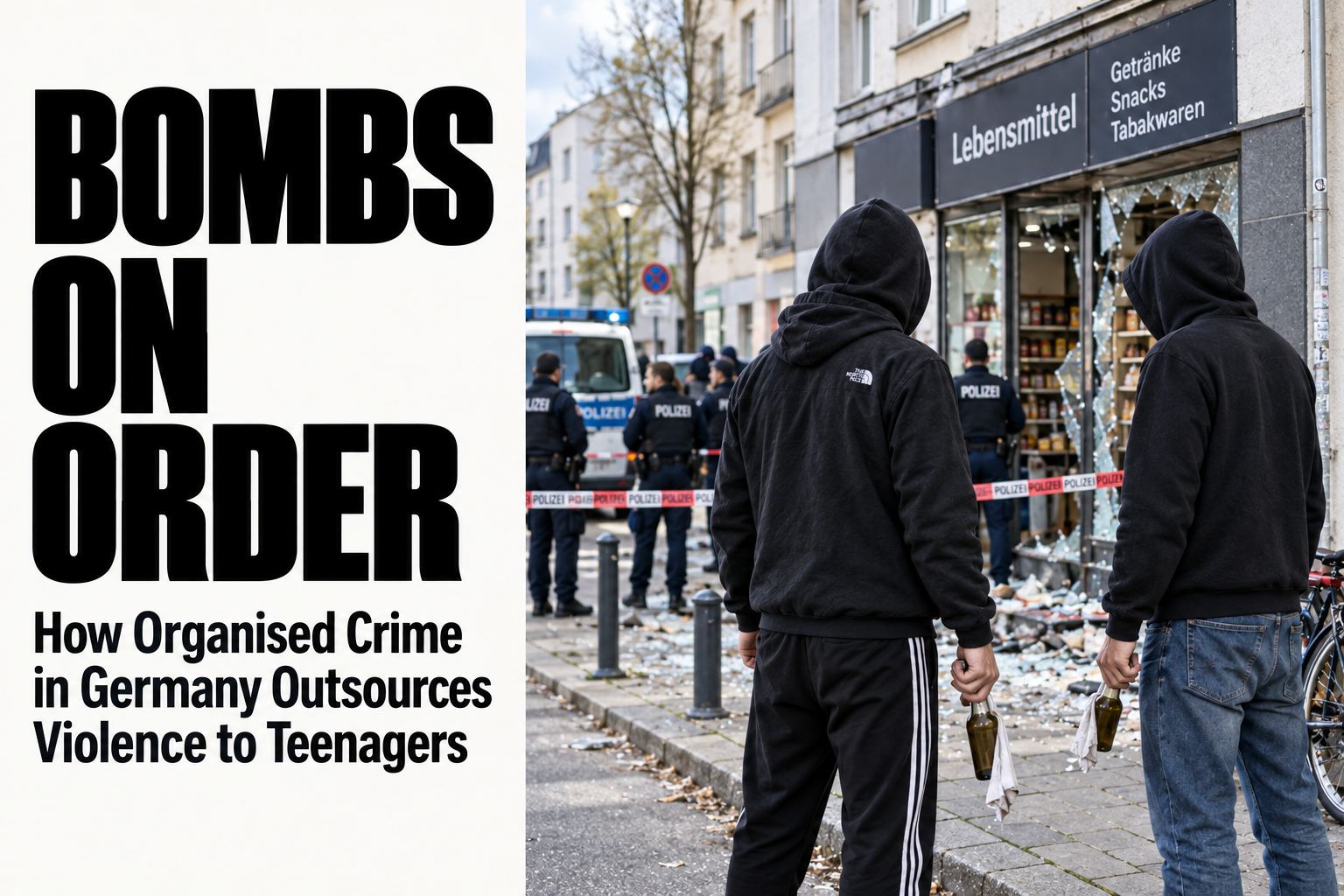
On 17 September 2026 the Baltic news outlet BB.LV, in an item republished by the Inbox.eu news feed, reported that racketeering was “making a comeback” in Germany. Referring to the German Press Agency (dpa) and Deutsche Welle, it described a wave of extortion gaining strength in the German regions, illustrated it with a series of explosions at small businesses in Frankfurt am Main and Offenbach, and stated that the wave was particularly strong in Hesse, North Rhine-Westphalia, Bavaria and Berlin (BB.LV, 2026). The factual core of this report is confirmed by official German sources, but it contains an important simplification: Violence as a Service (VaaS) is not simply racketeering. It is a broader model of violence on order, in which perpetrators are hired for explosions, arson attacks, shootings, assaults, kidnappings and even killings. Extortion is only one of the scenarios in which this model is used.
The Federal Criminal Police Office defines the phenomenon as the outsourcing of the preparation and execution of violent acts to third parties in return for payment. Criminal networks frequently recruit minors or young offenders, who then carry out threats, attacks or killings for a fee, and the recruitment often takes place through online platforms and messenger services (Bundeskriminalamt [BKA], 2025). The police of North Rhine-Westphalia describe the same mechanism in their prevention material on violence committed by children and adolescents (Polizei Nordrhein-Westfalen, n.d.). According to BKA Vice-President Martina Link, the commissioned act is, as a rule, an explosives attack (Deutsche Presse-Agentur [dpa], 2026). The typical targets are restaurants, bars, kiosks, shops and residential buildings.
The immediate trigger for the current debate was a series of five explosions in the Rhine-Main area within a few days in September 2026. Over the weekend and on Monday morning a bar, a kiosk and the entrance of an apartment building were damaged in Frankfurt and Offenbach. On the morning of Thursday, 17 September, further detonations followed on Berger Straße in the Nordend district and on the Zeil in the city centre of Frankfurt. Nobody was injured but the damage was considerable. Two juveniles aged 15 and 17 were arrested. Whether the five acts are connected is still under investigation, but the public prosecutor’s office sees “weighty indications” of a link to Violence as a Service and to organised crime (Hessenschau, 2026). The pattern is not new: in March 2026 the Frankfurt Regional Court sentenced a 15-year-old to a juvenile sentence of four years and three months, inter alia for attempted murder and dangerous bodily harm in five cases, and the police now examine as a matter of routine whether comparable explosions are commissioned acts (dpa, 2026).
Hesse is the only Land that has published a time series. Systematic recording began in 2024, when only isolated incidents in the single-digit range became known. In the course of 2025 a marked increase was registered, with case numbers in the lower double-digit range, and in 2026 the police have so far recorded as many cases as in the whole of 2025 (Hessisches Ministerium des Innern, für Sicherheit und Heimatschutz [HMdI], 2026). The formula “several dozen cases” used in media reports should therefore be read with caution. The Ministry describes the recruits as easily influenced persons aged between 15 and 25, who often come from abroad and enter Germany only in order to commit the offence. Traces repeatedly lead to the Netherlands. Hesse has responded with a dedicated Task Force at the State Criminal Police Office, set up in November 2025, with state-wide action days including motorway checks, with data analysis and with closer cooperation with Europol, the Dutch authorities and the BKA. Interior Minister Roman Poseck declared that violence must not become “a business model” in Hesse and announced that he would raise the issue at the next Conference of Interior Ministers, pointing to the successful fight against cash machine bombings as a model (HMdI, 2026).
The extortion component, which justifies the word “racketeering”, is best documented in Kassel. There the police and the prosecution are investigating a group that allegedly extorted money from restaurateurs and business owners by threatening arson attacks. In two cases the threats were carried out, and a 21-year-old suspect is in pre-trial detention (dpa, 2026). However, it would be misleading to present the whole phenomenon as the blackmail of ordinary shopkeepers. The Hessian Interior Minister stressed that the explosions are frequently directed against persons who are themselves entangled in criminal dealings, and that they are not aimed at uninvolved third parties, although they remain highly dangerous for them (HMdI, 2026). The criminologist Britta Bannenberg of the University of Giessen links the attacks primarily to power struggles in the organised drug trade, above all the cocaine trade, and recalls that the Netherlands and Sweden have faced this form of conflict for a longer time (Hessenschau, 2026). Investigators accordingly also examine the environment of those targeted, including earlier extortion attempts (dpa, 2026). The picture is therefore mixed: the settling of accounts in illegal markets stands alongside classic extortion.
The geographical claim requires the greatest caution. Cases of Violence as a Service are known in North Rhine-Westphalia, Bavaria and Berlin (dpa, 2026). Bannenberg names Berlin, North Rhine-Westphalia and Lower Saxony as more heavily burdened than other Länder, identifies the Rhine-Main area, Giessen and Kassel as focal points within Hesse, and underlines that this is a nationwide development which still has to be examined more closely (Hessenschau, 2026). None of these sources offers comparable statistics for all Länder. The statement that the wave is “particularly strong” in exactly four Länder is thus not supported by the available data. Cases are documented there, but only Hesse has disclosed the dynamics of its figures.
The European dimension confirms that Germany is part of a wider trend. The BKA participates in the Operational Taskforce GRIMM, which was launched at Europol in April 2025 under Swedish leadership and brings together eleven countries (BKA, 2025). In its first six months the taskforce reported 193 arrests, including 84 recruiters, 63 perpetrators, 40 enablers and 6 instigators (Europol, 2025). After one year the number of arrests had risen to 280, and more than 1,400 persons linked to the phenomenon had been identified (Euronews, 2026).
In sum, the following formulation is accurate. Germany is recording a growth in offences attributed to the Violence as a Service model, that is, the commission of violent acts on order. Criminal networks, often through social media and messenger services, hire minors and young adults for explosions, arson attacks, shootings, assaults and other offences. In some cases the model is used to extort money from the owners of restaurants and other businesses. A particularly visible increase has been recorded in Hesse, where the number of incidents rose substantially in 2025 after systematic recording began in 2024 and has continued to grow in 2026. Cases are also being investigated in North Rhine-Westphalia, Bavaria and Berlin. The label “return of racketeering” captures only one segment of a phenomenon better understood as the outsourcing of organised crime violence to young perpetrators recruited online.
****************************
«БОМБИ НА ЗАМОВЛЕННЯ»: ЯК ОРГАНІЗОВАНА ЗЛОЧИННІСТЬ У НІМЕЧЧИНІ ДОРУЧАЄ ВЧИНЕННЯ НАСИЛЬСТВА ПІДЛІТКАМ
17 вересня 2026 року новинне видання BB.LV у матеріалі, передрукованому новинною стрічкою Inbox.eu, повідомило, що в Німеччині «повертається» рекет. Посилаючись на German Press Agency (dpa) та Deutsche Welle, воно описало хвилю вимагання, яка набирає сили в німецьких регіонах, проілюструвало її серією вибухів на об’єктах малого бізнесу у Франкфурті-на-Майні та Оффенбаху і зазначило, що ця хвиля є особливо сильною в Гессені, Північному Рейні-Вестфалії, Баварії та Берліні (BB.LV, 2026). Фактичне ядро цього повідомлення підтверджується офіційними німецькими джерелами, проте воно містить важливе спрощення: Violence as a Service (VaaS), тобто «насильство як послуга», – це не просто рекет. Це ширша модель насильства на замовлення, за якої виконавців наймають для вибухів, підпалів, стрілянини, нападів, викрадень людей і навіть убивств. Вимагання є лише одним зі сценаріїв, у яких ця модель використовується.
Федеральне відомство кримінальної поліції Німеччини визначає це явище як аутсорсинг підготовки та вчинення насильницьких діянь третім особам за винагороду. Кримінальні мережі часто вербують неповнолітніх або молодих правопорушників, які потім за плату здійснюють погрози, напади чи вбивства, причому вербування нерідко відбувається через онлайн-платформи та месенджери (Bundeskriminalamt [BKA], 2025). Поліція Північного Рейну-Вестфалії описує той самий механізм у своїх профілактичних матеріалах щодо насильства, вчинюваного дітьми та підлітками (Polizei Nordrhein-Westfalen, n.d.). За словами віцепрезидентки BKA Мартіни Лінк, замовленим діянням, як правило, є напад із застосуванням вибухових речовин (Deutsche Presse-Agentur [dpa], 2026). Типовими цілями є ресторани, бари, кіоски, магазини та житлові будинки.
Безпосереднім поштовхом до нинішньої дискусії стала серія з п’яти вибухів у регіоні Рейн-Майн упродовж кількох днів у вересні 2026 року. У вихідні та в понеділок уранці у Франкфурті та Оффенбаху було пошкоджено бар, кіоск і вхід до багатоквартирного будинку. Уранці в четвер, 17 вересня, сталися нові детонації на Бергер-штрассе в районі Норденд і на вулиці Цайль у центрі Франкфурта. Ніхто не постраждав, проте шкода була значною. Було затримано двох неповнолітніх віком 15 і 17 років. Чи пов’язані між собою ці п’ять діянь, ще з’ясовується слідством, однак прокуратура вбачає «вагомі ознаки» зв’язку з Violence as a Service та з організованою злочинністю (Hessenschau, 2026). Ця схема не є новою: у березні 2026 року Земельний суд Франкфурта засудив 15-річного підлітка до покарання для неповнолітніх у виді позбавлення волі строком на чотири роки і три місяці, зокрема за замах на вбивство та небезпечне тілесне ушкодження у п’яти епізодах, а поліція тепер у звичайному порядку перевіряє, чи не є подібні вибухи замовленими діяннями (dpa, 2026).
Гессен є єдиною землею, яка оприлюднила часовий ряд даних. Систематичний облік розпочався у 2024 році, коли стало відомо лише про поодинокі інциденти, кількість яких вимірювалася однозначним числом. Упродовж 2025 року було зафіксовано помітне зростання, з кількістю випадків у нижній частині двозначного діапазону, а у 2026 році поліція на цей час зареєструвала стільки ж випадків, скільки за весь 2025 рік (Hessisches Ministerium des Innern, für Sicherheit und Heimatschutz [HMdI], 2026). Тому формулу «кілька десятків випадків», яку використовують у повідомленнях засобів масової інформації, слід сприймати з обережністю. Міністерство описує завербованих як осіб віком від 15 до 25 років, що легко піддаються впливу, часто походять з-за кордону і в’їжджають до Німеччини лише для того, щоб вчинити правопорушення. Сліди неодноразово ведуть до Нідерландів. Гессен відповів створенням у листопаді 2025 року спеціальної оперативної групи (Task Force) при Земельному відомстві кримінальної поліції, проведенням загальноземельних днів дій, зокрема з перевірками на автомагістралях, аналізом даних і тіснішою співпрацею з Europol, нідерландськими органами влади та BKA. Міністр внутрішніх справ Роман Позек заявив, що насильство не повинно стати в Гессені «бізнес-моделлю», і оголосив, що порушить це питання на наступній Конференції міністрів внутрішніх справ, вказавши на успішну боротьбу з підривами банкоматів як на взірець (HMdI, 2026).
Складова вимагання, яка виправдовує вживання слова «рекет», найкраще задокументована в Касселі. Там поліція та прокуратура розслідують діяльність групи, яка, як стверджується, вимагала гроші у рестораторів і власників бізнесу, погрожуючи підпалами. У двох випадках погрози було виконано, а 21-річний підозрюваний перебуває під вартою в порядку запобіжного заходу (dpa, 2026). Проте було б оманливо подавати все явище як шантаж звичайних крамарів. Міністр внутрішніх справ Гессену наголосив, що вибухи часто спрямовані проти осіб, які самі заплутані в кримінальних справах, і що вони не націлені на непричетних третіх осіб, хоча й залишаються вкрай небезпечними для них (HMdI, 2026). Кримінологиня Брітта Банненберг з Гіссенського університету пов’язує напади насамперед із боротьбою за владу в організованій наркоторгівлі, передусім у торгівлі кокаїном, і нагадує, що Нідерланди та Швеція стикаються з цією формою конфлікту вже триваліший час (Hessenschau, 2026). Відповідно слідчі також вивчають оточення тих, хто став ціллю, зокрема попередні спроби вимагання (dpa, 2026). Отже, картина є змішаною: зведення рахунків на нелегальних ринках існує поруч із класичним вимаганням.
Найбільшої обережності потребує географічне твердження. Випадки Violence as a Service відомі в Північному Рейні-Вестфалії, Баварії та Берліні (dpa, 2026). Банненберг називає Берлін, Північний Рейн-Вестфалію та Нижню Саксонію більш обтяженими порівняно з іншими землями, визначає регіон Рейн-Майн, Гіссен і Кассель як осередки в межах Гессену та підкреслює, що йдеться про загальнонімецький розвиток подій, який ще належить дослідити ретельніше (Hessenschau, 2026). Жодне з цих джерел не наводить порівнянної статистики для всіх земель. Таким чином, твердження про те, що хвиля є «особливо сильною» саме в чотирьох землях, не підтверджується наявними даними. Випадки там задокументовано, проте лише Гессен розкрив динаміку своїх показників.
Європейський вимір підтверджує, що Німеччина є частиною ширшої тенденції. BKA бере участь в Operational Taskforce GRIMM, яку було започатковано при Europol у квітні 2025 року під керівництвом Швеції та яка об’єднує одинадцять країн (BKA, 2025). За перші шість місяців роботи оперативна група повідомила про 193 арешти, зокрема 84 вербувальників, 63 виконавців, 40 пособників і 6 підбурювачів (Europol, 2025). Через рік кількість арештів зросла до 280, і було встановлено понад 1400 осіб, пов’язаних із цим явищем (Euronews, 2026).
Підсумовуючи, точним є таке формулювання. Німеччина фіксує зростання кількості правопорушень, які відносять до моделі Violence as a Service, тобто вчинення насильницьких діянь на замовлення. Кримінальні мережі, часто через соціальні мережі та месенджери, наймають неповнолітніх і молодих дорослих для вибухів, підпалів, стрілянини, нападів та інших правопорушень. У деяких випадках цю модель використовують для вимагання грошей у власників ресторанів та інших підприємств. Особливо помітне зростання зафіксовано в Гессені, де кількість інцидентів суттєво зросла у 2025 році після початку систематичного обліку у 2024 році та продовжила зростати у 2026 році. Випадки також розслідуються в Північному Рейні-Вестфалії, Баварії та Берліні. Ярлик «повернення рекету» охоплює лише один сегмент явища, яке краще розуміти як аутсорсинг насильства організованої злочинності молодим виконавцям, завербованим онлайн.
References
BB.LV. (2026, September 17). Racketeering is making a comeback. But where?! You will be surprised! Inbox.eu News. https://news.inbox.eu/150rfdo-racketeering-is-making-a-comeback-but-where-you-will-be-surprised?language=en
Bundeskriminalamt. (2025, August 19). BKA bekämpft als Teil der Operational Taskforce GRIMM das Phänomen „Violence-as-a-Service“ [As part of the Operational Taskforce GRIMM, the BKA combats the phenomenon of “violence-as-a-service”]. https://www.bka.de/SharedDocs/Kurzmeldungen/DE/Kurzmeldungen/250819_Violence-as-a-Service.html
Deutsche Presse-Agentur. (2026, September 17). „Gewalt als Dienstleistung“ – wenn Jugendliche für Explosionen angeheuert werden [“Violence as a service” – when adolescents are hired for explosions]. n-tv. https://www.n-tv.de/panorama/Gewalt-als-Dienstleistung-wenn-Jugendliche-fuer-Explosionen-angeheuert-werden-id31318222.html
Euronews. (2026, April 29). Europol GRIMM taskforce nets 280 arrests as “violence for hire” spreads across Europe. https://www.euronews.com/my-europe/2026/04/29/europol-grimm-taskforce-nets-280-arrests-as-violence-for-hire-spreads-across-europe
Europol. (2025, December 8). Operational Taskforce GRIMM: 193 arrests in 6 months tackling violence-as-a-service networks. https://www.europol.europa.eu/media-press/newsroom/news/operational-taskforce-grimm-193-arrests-in-6-months-tackling-violence-service-networks
Hessenschau. (2026, September 18). Explosionen in Frankfurt und Offenbach: Gewalt im Drogenhandel erreicht neue Dimension [Explosions in Frankfurt and Offenbach: Violence in the drug trade reaches a new dimension]. Hessischer Rundfunk. https://www.hessenschau.de/panorama/explosionen-in-frankfurt-und-offenbach-gewalt-im-drogenhandel-erreicht-neue-dimension-v1,kriminologin-drogenhandel-explosionen-100.html
Hessisches Ministerium des Innern, für Sicherheit und Heimatschutz. (2026, September 18). Poseck verstärkt Kampf gegen „Violence as a Service“ [Poseck steps up the fight against “violence as a service”] [Press release]. https://hessen.de/presse/poseck-verstaerkt-kampf-gegen-violence-as-a-service
Polizei Nordrhein-Westfalen. (n.d.). Violence as a Service – Gewalt auf Bestellung [Violence as a service – violence on order]. https://praevention.polizei.nrw/gewaltkriminalitaet/gewalt-von-kindern-und-jugendlichen/violence-service-gewalt-auf-bestellung


