 1
1
 0
0
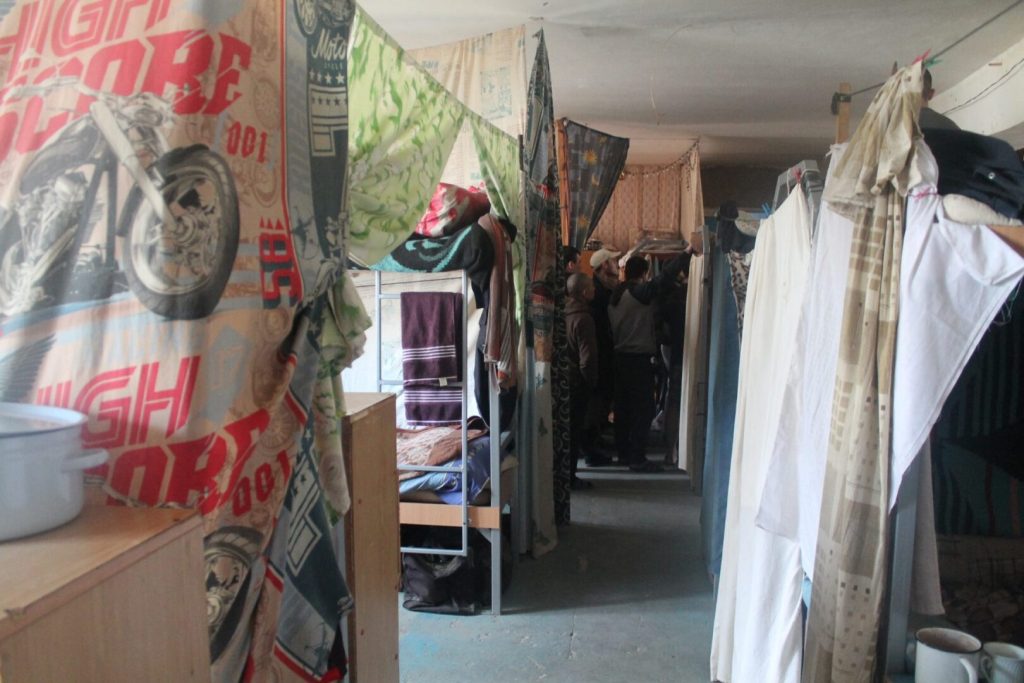
Overcrowding, a thriving criminal subculture, critical staff shortages, and the deplorable state of infrastructure in Moldovan prisons create conditions conducive to ill-treatment and torture of prisoners.
This is stated in a report by the Council for the Prevention of Torture, which insists on the need for urgent reforms in the prison system.
The Council for the Prevention of Torture presented its report at a hearing on April 2 before the parliamentary commission on human rights and interethnic relations. Human rights defenders prepared the report following visits to eight Moldovan prisons in 2024.
Outdated infrastructure
The authors of the report noted that one of the main problems is the deplorable condition of prison buildings. Most of them were built during the Soviet era, suffer from critical wear and tear, and do not meet modern safety and maintenance requirements. The P-11 facility in Bălți, P-18 in Braniște, P-17 in Rezina, and especially P-8 and P-12 in Bender demonstrate how the age of the buildings directly reduces the effectiveness of security measures.
Iuliana Kury, a member of the Council for the Prevention of Torture, told at the parliamentary hearing that this situation creates additional challenges and risks. In particular, she noted that not all prisons have video surveillance, and combined with staff shortages, this problem is becoming critical.
“We have noticed that residential premises are most at risk. Surveillance is least likely there. There are institutions where it is not possible to install video surveillance even in the corridors, or where there is no video surveillance at all. It is obvious that in the event of an incident, staff on night duty will not risk entering a sector where there are fifty prisoners. But video recordings at least make it possible to analyze the situation, see the causes, and remove individuals who pose a danger to others. When there is no surveillance, abuse becomes habitual: ‘No one can see us, we can do whatever we want,’” said the human rights activist.
According to her, in old prisons, especially where toilets and showers are located outside, cells are not locked even at night, so it is very difficult to understand what is happening at night and whether everyone is safe. She also described various structures on prison grounds that hinder the observation of prisoners.
“There are all kinds of, excuse me, shacks, all kinds of small structures. There are more places where prisoners can gather or meet unnoticed. This makes it much more difficult to control the situation and increases the security risk. This is the situation that arises when grapes grow on the territory, obscuring what is happening in that sector. I’m not even talking about the fact that the prisoners probably don’t make compote out of these grapes,” said Iuliana Kury.
Another hidden problem with old prisons is the detention of prisoners who request protection in solitary confinement, as there are no special cells for this purpose in prisons.
“Asking for personal protection is normal, and anyone who feels threatened should do so. The authorities must find a solution to accommodate them in decent conditions,” the human rights activist believes.
Overcrowding
The problem of prison overcrowding remains acute, despite a slight overall decline in the number of prisoners in the country. Moldova continues to lead Europe in terms of the number of prisoners per 100,000 population.
However, a report by the European Committee for the Prevention of Torture (CPT) shows that it is not just a matter of absolute numbers. There is shocking inequality within prisons: overcrowded cells with appalling conditions exist alongside spacious, comfortable quarters for “privileged” prisoners. This violates international standards and creates a breeding ground for conflict, tension, and violence, complicating the work of staff and prisoners’ access to basic services.
Council member Olesya Doronchanu said that following visits to Moldovan prisons, the authors of the report concluded that the more overcrowded prisons are, the more incidents of physical abuse and violence between prisoners occur.
“Overcrowding often prevents prison staff from intervening quickly in conflict situations, which leads to further conflicts,” she said.
According to the report, the ratio of prisoners to prison staff in Moldova (2.4 to 1) is significantly higher than the European average (1.4 to 1), and the number of staff on night shifts is dangerously low.
This means that the administration effectively loses control over what is happening in the living areas, especially at night. Staff shortages in prisons are exacerbated by the low attractiveness of the profession due to difficult conditions and low pay, as well as an ineffective shift system (24 hours on duty/72 hours off).
Olesya Doronchanu noted that in many prisons, the barracks are overcrowded, and 20 meters away there are cells that resemble mini-apartments with carpets, double beds, kitchens, and household appliances. In her opinion, overcrowding also increases the risks for prison staff.
“We asked how safe the staff felt, especially at night. No one feels safe knowing that there are, for example, 600 prisoners, and only seven security and surveillance staff on duty at night. It is clear that none of them will intervene if something happens, but will call for backup,” Doronchanu said.
According to the report, as a result, staff are overworked, prone to stress and burnout, which negatively affects their relationships with prisoners.
The authors of the report also point to the lack of training for staff in modern working methods, such as “dynamic security,” which involves building trust and identifying risks through communication. Instead, staff often just react to incidents that have already happened.
Moreover, staff themselves often feel vulnerable, which makes it even more difficult to establish a constructive dialogue.
The Council was particularly concerned about the relationship between staff and minors in P-10 in Goyan, where “there is a sense of detachment and a lack of individual approach.”
Criminal subculture
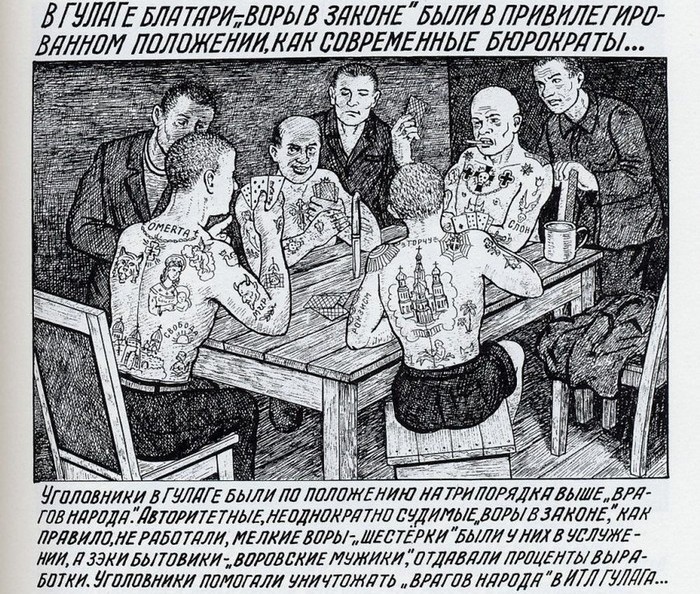
Parallel to the official rules in Moldovan prisons, a criminal subculture with its own hierarchy and laws thrives. The report confirms the findings of the European Committee for the Prevention of Torture: this subculture not only exists, but is often ignored by the administration or even used to maintain visible order.
This manifests itself in discrimination (the “humiliated” castes, as in P-8 in Bender), extortion, coercion into gambling, which pushes many prisoners to seek refuge in self-isolation.
Iuliana Kury noted that in Moldovan society, the “prison subculture” is perceived as a form of solidarity among prisoners or as general norms, but in reality it should be seen as a mechanism or machine for extorting money from prisoners for the benefit of a criminal group.
Olesya Doronchanu noted in this regard that an entire session could be devoted to the topic of criminal subculture.
“Unfortunately, this phenomenon did not arise yesterday and will not disappear tomorrow. But it creates two parallel systems in prison, two parallel worlds. At least, that is how the prisoners perceive it. Therefore, the general mass of prisoners is obliged to obey not only the official rules, but also the informal ones imposed by the criminal subculture. It is tolerated and used by prison staff to maintain order in prisons. In Bender prison, “oppressed” prisoners are not allowed to approach the tap with filtered water, which is in fact the only source of drinking water,” Doronchanu said.
She also said that the so-called “oppressed” in Moldovan prisons are only allowed to walk along the walls, are not allowed to step on the sports ground, turn on the tap, or enter certain areas: “I am not even talking about the premises specially equipped by the leaders of the criminal subculture in prisons, where there are gazebos, terraces, and billiard rooms, to which, obviously, not everyone has access.”
In addition, prisoners must pay a certain amount of money to live peacefully in prison. This is one of the reasons for the growing number of prisoners seeking protection. They do not want to be extorted for money they do not have.
The human rights activist emphasized that the subculture undermines the authority of the administration, creates demand for contraband (phones, drugs, alcohol, which are confiscated, but the real scale is estimated to be much higher), and also provokes violence and is a breeding ground for corruption.
A telling example is the prison in Bendery, where unequal conditions of detention are directly linked to status in the informal prison hierarchy, as confirmed by the Council for Equality in 2021.
Combating this phenomenon requires not only forceful measures, but also the elimination of its root causes: overcrowding, inequality, staff inaction, and corruption risks, the report says.
***********************************
Камери з килимами, «опущені» і сектори, куди не ризикують заходити наглядачі: Що відбувається в тюрмах Молдови?
Перенаселеність, процвітаюча кримінальна субкультура, критична нестача персоналу та жалюгідний стан інфраструктури у в’язницях Молдови створюють умови для жорстокого поводження та катувань ув’язнених.
Про це йдеться у звіті Ради з попередження катувань, яка наполягає на необхідності термінових реформ у пенітенціарній системі.
Рада з попередження катувань представила звіт на слуханнях 2 квітня в парламентській комісії з прав людини та міжетнічних відносин. Правозахисники підготували звіт за підсумками відвідування в 2024 році восьми молдавських в’язниць.
Застаріла інфраструктура
Автори звіту відзначили, що одна з основних проблем – це жалюгідний стан будівель в’язниць. Більшість з них побудовані ще за радянських часів, страждають від критичного зносу і не відповідають сучасним вимогам безпеки та утримання. Установи П-11 у Бельцах, П-18 у Бранешті, П-17 у Резині і особливо П-8 і П-12 у Бендерах демонструють, як старість будівель безпосередньо знижує ефективність заходів безпеки.
Член Ради з питань запобігання катуванням Юліана Куря розповіла на слуханнях у парламенті, що така ситуація провокує додаткові складнощі та ризики. Зокрема, вона зазначила, що не в усіх в’язницях налагоджено відеоспостереження, а разом із дефіцитом персоналу ця проблема стає критичною.
“Ми помітили, що найбільшому ризику піддаються житлові приміщення. Там спостереження найменш імовірне. Є установи, де навіть у коридорі не можна встановити відеоспостереження або його немає. Очевидно, що в разі якогось інциденту співробітники, які чергують вночі, не ризикнуть увійти в сектор, де перебувають п’ятдесят ув’язнених. Але відеозаписи хоча б дають можливість проаналізувати ситуацію, побачити причини і усунути осіб, які становлять небезпеку для інших. Коли цього спостереження немає, зростає звичка до зловживань: Нас ніхто не бачить, можемо робити що завгодно», — сказала правозахисниця.
За її словами, в старих в’язницях, особливо де туалети і душові знаходяться на вулиці, камери не замикають навіть на ніч, тому дуже складно зрозуміти, що відбувається вночі і чи всі в безпеці. Вона також розповіла про всілякі споруди на території в’язниць, що заважають спостереженню за ув’язненими.
«Там всякі, вибачте, халупи, всякі маленькі споруди. Стає більше місць, де ув’язнені можуть збиратися або зустрічатися непоміченими. Через це набагато складніше контролювати ситуацію, збільшується загроза безпеці. Ось така виникає ситуація, коли на території росте виноград, через який не видно, що відбувається в тому секторі. Я вже не кажу про те, що ув’язнені, ймовірно, роблять з цього винограду не компот», – сказала Юліана Куря.
Ще одна неочевидна проблема старих в’язниць – утримання ув’язнених, які просять надати їм захист, в одиночних дисциплінарних ізоляторах, оскільки у в’язницях немає для цього спеціальних камер.
«Просити особистий захист – це нормально, і це повинен робити кожен, хто вважає, що йому щось загрожує. І влада повинна знайти рішення для їх розміщення в гідних умовах», – вважає правозахисниця.
Перенаселеність
Гострою залишається і проблема перенаселеності в’язниць, незважаючи на деяке загальне зниження кількості ув’язнених в країні. Молдова, як і раніше, лідирує в Європі за кількістю ув’язнених на 100 тис. населення.
Однак звіт Європейського комітету з запобігання катуванням (ЄКЗК) показує, що справа не тільки в абсолютних цифрах. Усередині в’язниць існує шокуюча нерівність: переповнені камери з жахливими умовами сусідять з просторими, комфортними приміщеннями для «привілейованих» ув’язнених. Це порушує міжнародні стандарти і створює підґрунтя для конфліктів, напруги і насильства, ускладнюючи роботу персоналу і доступ ув’язнених до базових послуг.
Член Ради Олеся Дорончану розповіла, що за результатами візитів до молдавських в’язниць автори звіту дійшли висновку: чим сильніше перенаселеність в’язниць, тим більше інцидентів з тілесними ушкодженнями та насильством між ув’язненими. «Перенаселеність часто сприяє тому, що співробітники в’язниць не можуть оперативно втрутитися в конфліктну ситуацію, і це породжує інші конфлікти», – сказала вона.
Згідно зі звітом, у Молдові співвідношення ув’язнених до персоналу в’язниць (2,4 до 1) значно перевищує середньоєвропейський показник (1,4 до 1), а кількість персоналу в нічну зміну небезпечно мала.
Це призводить до того, що адміністрація фактично втрачає контроль над тим, що відбувається в житлових зонах, особливо в нічний час. Кадровий голод у в’язницях посилює низька привабливість професії через важкі умови та низьку оплату, а також неефективна система змін (24 години роботи / 72 відпочинку).
Олеся Дорончану зазначила, що в багатьох в’язницях склалася ситуація, коли бараки перенаселені, а в 20 метрах від них є камери, схожі на міні-квартири з килимами, двоспальними ліжками, кухнею і побутовою технікою. Також, на її думку, перенаселеність підвищує ризики для персоналу в’язниць.
«Ми запитували, наскільки безпечно почуваються співробітники, особливо вночі. Ніхто не почувається в безпеці, знаючи, що у них, наприклад, 600 ув’язнених, а вночі чергують лише сім співробітників служби режиму та нагляду. Зрозуміло, що ніхто з них не буде втручатися, якщо щось трапиться, а викличуть силову підтримку», – сказала Дорончану.
Як зазначається у звіті, в результаті персонал перевантажений, схильний до стресу і вигорання, що негативно позначається на відносинах із в’язнями.
Автори звіту також вказують на недостатню підготовку співробітників в частині сучасних методів роботи, таких як «динамічна безпека», яка передбачає побудову довірчих відносин і превентивне виявлення ризиків через спілкування. Замість цього персонал часто лише реагує на інциденти, що вже сталися.
Більш того, самі співробітники нерідко відчувають себе незахищеними, що ще більше ускладнює побудову конструктивного діалогу.
Особливу тривогу у Ради викликали відносини персоналу з неповнолітніми в П-10 в Гоянах, де «спостерігається відстороненість і відсутність індивідуального підходу».
Кримінальна субкультура
Паралельно офіційним правилам в молдавських в’язницях процвітає кримінальна субкультура зі своєю ієрархією і законами. Звіт підтверджує висновки Європейського комітету з попередження катувань: ця субкультура не тільки існує, але часто адміністрація закриває на неї очі або навіть використовує для підтримки видимого порядку.
Це проявляється в дискримінації («принижені» касти, як у П-8 в Бендерах), вимаганні, примусі до азартних ігор, що штовхає багатьох ув’язнених шукати порятунку в самоізоляції.
Юліана Куря зазначила, що в молдавському суспільстві «в’язнична субкультура» сприймається як певна форма солідарності між ув’язненими або як загальні норми, але насправді її слід розглядати як механізм або машину для вимагання грошей у в’язнів на користь злочинної групи.
Олеся Дорончану в цьому зв’язку зауважила, що можна було б провести ціле засідання тільки на тему кримінальної субкультури.
«На жаль, це явище виникло не вчора і не припиниться завтра. Але воно створює практично дві паралельні системи в тюрмі, два паралельних світи. Принаймні таке сприйняття ув’язнених. Тому загальна маса ув’язнених зобов’язана підкорятися не тільки офіційним правилам, а й неформальним, нав’язаним кримінальною субкультурою. Її терпить і використовує в’язничний персонал для підтримки порядку в тюрмах. У в’язниці Бендер «опущені» ув’язнені не мають права підходити до крана з фільтрованою водою, який фактично є єдиним джерелом питної води», – сказала Дорончану.
Вона також розповіла, що так званим «опущеним» у молдавських в’язницях можна ходити тільки вздовж стіни, не можна ступати на спортивний майданчик, не можна відкривати кран, входити в певні зони: «Я вже не кажу про спеціально обладнані лідерами кримінальної субкультури приміщення в тюрмах, де облаштовані альтанки, тераси, більярдні, куди, очевидно, не всі мають доступ».
Крім цього, ув’язнені, щоб спокійно жити у в’язниці, повинні платити певну суму грошей. Це одна з причин зростання числа ув’язнених, які просять захисту. Вони не хочуть, щоб у них вимагали гроші, яких у них насправді немає.
Правозахисниця підкреслила, що субкультура підриває авторитет адміністрації, створює попит на контрабанду (телефони, наркотики, алкоголь, які вилучають, але реальні масштаби, за оцінками, набагато вищі), а також провокує насильство і є живильним середовищем для корупції.
Показовим є приклад в’язниці в Бендерах, де нерівні умови утримання безпосередньо пов’язані зі статусом у неформальній в’язничній ієрархії, що Рада з питань рівності підтвердила ще в 2021 році.
Боротьба з цим явищем вимагає не тільки силових заходів, а й усунення передумов: перенаселеності, нерівності, бездіяльності персоналу та корупційних ризиків, йдеться в звіті.