 1
1
 0
0
At the end of 2010, a unique phenomenon emerged in Venezuela: the Pranato System, designed to regulate the situation that the state was trying to contain. At that time, dozens of people died in prisons every year during outbreaks of violence. To reduce this figure, the Venezuelan government made deals with prison gang leaders.
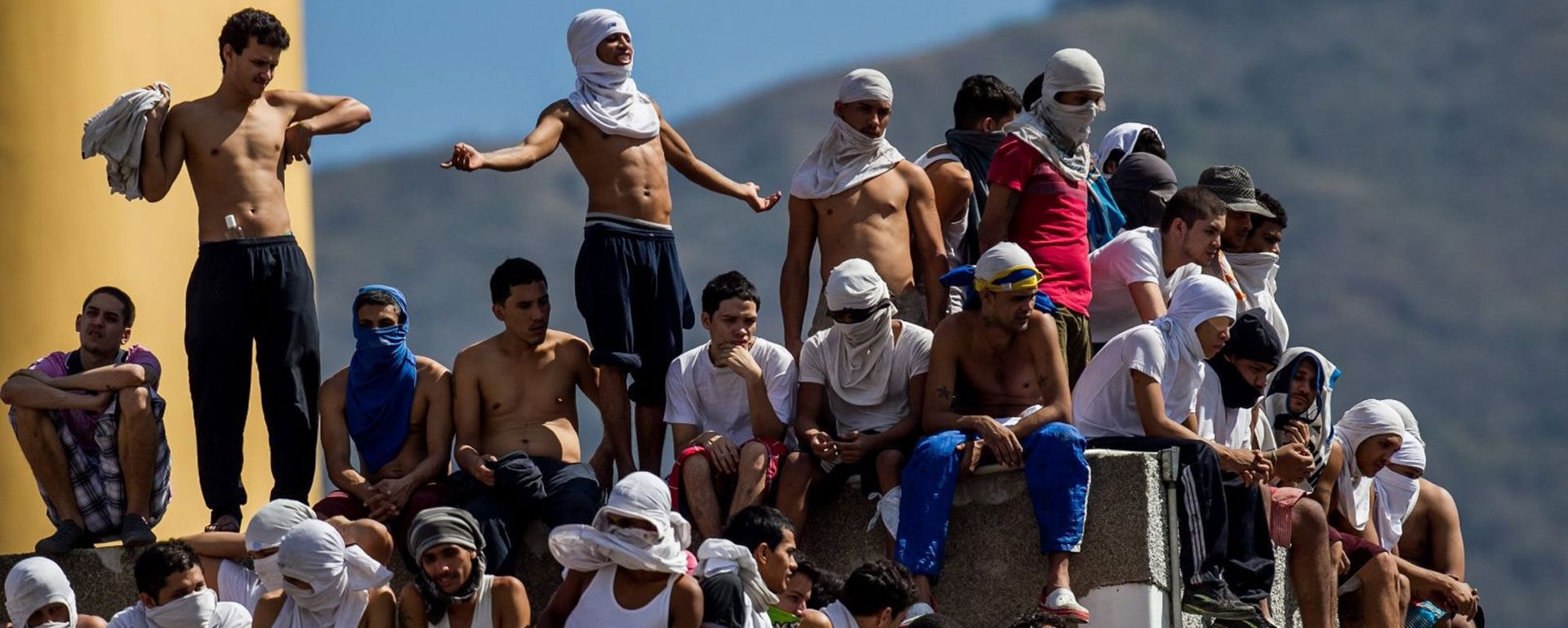
The practice of granting power to pranas in exchange for help in controlling prisons in Venezuela began to emerge after 2007. The pranato system was created in response to a humiliating uprising in Venezuela’s prison system, which was already known for its brutality and chaos. In May 2011, a 26-year-old pranato held about 4,000 security forces for 27 days in the Rodeo prison in Miranda state, just 40 kilometers east of Caracas, in what became a media circus. Then-President Hugo Chávez created the Ministry of Penitentiary Services with orders to ensure that such events would never embarrass him again.
This is how the Pranato System was implemented. For many years, the tacit agreement between the state authorities and the pranes was that the state allowed and even protected the existence of criminal structures in prisons in exchange for “order” in the prisons.
After the decision to transfer the management of prisons to the hands of prisoners, the pranes expanded their activities far beyond the prison walls. The most successful of the prison gangs was the Tren de Aragua gang, which has evolved into a transnational criminal group operating in Colombia, Chile, and Peru, using migration routes and exploiting Venezuelan migrants.
*************************************
Pranato System: венесуельский в’язничний феномен, або які наслідки може мати відсторонення держави від управління пенітенціарною системою
Наприкінці 2010 року у Венесуелі з’явився унікальний феномен – the Pranato System, покликаний впорядкувати ситуацію, яку держава намагалася стримувати. На той час у в’язницях щороку гинули десятки людей під час спалахів насильства. Щоб зменшити цей показник, уряд Венесуели уклав угоди з лідерами в’язничних банд.
Практика надання влади pranes в обмін на допомогу в контролі над в’язницями у Венесуелі почала зароджуватися після 2007 року. The pranato system була створена у відповідь на принизливе повстання у в’язничній системі Венесуели, яка і без того була відома своєю жорстокістю та хаотичністю.
У травні 2011 року 26-річний pranato утримував близько 4 тис. співробітників сил безпеки упродовж 27 днів у в’язниці Родео в штаті Міранда, всього за 40 кілометрів на схід від Каракаса, що стало цирком для засобів масової інформації. Тодішній президент Уго Чавес створив Міністерство пенітенціарної служби з наказом забезпечити, щоб подібні події більше ніколи не збентежили його.
Так була впроваджена the Pranato System. Упродовж багатьох років мовчазна угода між державною владою та the pranes полягала в тому, що держава дозволяла і навіть захищала існування кримінальних структур у в’язницях в обмін на «порядок» у в’язницях.
Після рішення про передачу управління в’язницями в руки ув’язнених the pranes поширили свою діяльність далеко за межі в’язничних стін. Найуспішнішою з тюремних банд стала банда Tren de Aragua, яка перетворилася на транснаціональне злочинне угруповання, що діє в Колумбії, Чилі та Перу, використовуючи міграційні шляхи та експлуатуючи венесуельських мігрантів.